In many rural communities across Nigeria, women and vulnerable groups face daily challenges that limit their ability to thrive. Limited access to education, lack of economic opportunities, and social barriers often keep families trapped in cycles of poverty.

At Niger Care Development Aid International, we believe that empowerment is the key to transformation. Through targeted programs in women empowerment, vocational training, and grassroots development, we are helping individuals move from vulnerability to strength.

Empowering Women in Obinzi Community, Imo State

One of our most impactful interventions took place in Obinzi Community, Ezinihitte Mbaise LGA of Imo State, where we focused on equipping women with practical, income-generating skills.

Many of the women in this community relied heavily on subsistence farming with little to no access to structured income. Recognizing the potential in cassava, a widely available crop, we introduced a cassava processing training program designed to turn raw produce into profitable products.

Turning Skills into Sustainable Income

Through this initiative, women were trained on how to:

  • Process cassava into products such as garri and flour
  • Maintain hygiene and quality standards for market readiness
  • Package and store products for a longer shelf life
  • Manage small-scale production as a business

To ensure long-term sustainability, Niger Care Development Aid International went a step further by providing processing machinery to support their work. This eliminated the burden of manual processing and significantly increased productivity.

Real Impact: From Struggle to Self-Reliance

The transformation was immediate and inspiring.

Women who once struggled to meet daily needs began generating a steady income. With their new skills and access to machinery, they were able to:

  • Support their families financially
  • Invest in their children’s education
  • Contribute to their local economy
  • Build confidence and independence

What started as a training program quickly became a pathway to economic empowerment and dignity.

Strengthening Communities Through Empowerment

This project goes beyond individual success stories. By empowering women, entire communities benefit.

When women are equipped with skills and resources:

  • Household poverty levels reduce
  • Children have better access to education
  • Local economies grow
  • Communities become more resilient

At Niger Care Development Aid International, our goal is not just to provide aid but to create lasting, sustainable change.

Why Women’s Empowerment Matters in Nigeria

Women play a critical role in the development of any society. However, many still face systemic barriers that limit their potential.

Investing in women through vocational training and capacity building helps to:

  • Close the economic gap
  • Promote gender equality
  • Drive grassroots development
  • Achieve sustainable development goals (SDGs)

The success story from Obinzi Community is a clear example of what is possible when the right support is provided.

Partner With Us to Create More Impact

There are many more communities like Obinzi that need support. With the right partnerships and resources, we can extend these life-changing programs to reach even more women, youth, and vulnerable groups across Nigeria.

You can be part of this transformation by:

  • Partnering with us on community projects
  • Sponsoring vocational training programs
  • Donating to support our initiatives
  • Volunteering your time and expertise

Conclusion

The journey from vulnerability to strength is possible with the right opportunities, support, and empowerment.

At Niger Care Development Aid International, we are committed to building a future where women and vulnerable groups are not just surviving, but thriving.

Together, we can create lasting change.

Owerri, the capital city of Imo State, is home to a growing number of organizations dedicated to improving lives and strengthening communities. If you are searching for an NGO in Owerri, you will find organizations focused on women empowerment, youth development, education, healthcare, and poverty reduction.

One of the key drivers of development in Owerri and across Nigeria is the work of non-governmental organizations (NGOs) like Niger Care Development Aid International, which has been active since 2003, working to uplift women, youth, and vulnerable children through impactful programs.

What is an NGO?

A Non-Governmental Organization (NGO) is a non-profit group that operates independently from the government. NGOs focus on social development, humanitarian aid, and community support.

In Owerri, NGOs play a vital role in:

  • Supporting women empowerment programs
  • Providing vocational and digital skills training
  • Promoting girl-child education
  • Supporting orphans and vulnerable children
  • Encouraging community and grassroots development

Why NGOs Are Important in Owerri

Owerri, like many developing urban centers in Nigeria, faces challenges such as youth unemployment, lack of access to education, and poverty in rural communities. NGOs help bridge these gaps.

Here’s how NGOs make a difference:

1. Empowering Women

Many NGOs in Owerri provide women with skills training, financial literacy, and business support to help them become independent and self-reliant.

2. Youth Skill Development

Programs focused on vocational and digital skills help young people become employable or start their own businesses, reducing unemployment rates.

3. Education and Advocacy

NGOs promote education; especially for the girl-child, ensuring that more children have access to quality learning opportunities.

4. Community Development

Through infrastructure projects, governance programs, and advocacy, NGOs help improve living standards in rural and underserved areas.

Programs Offered by NGOs in Owerri

Organizations such as Niger Care Development Aid International offer a wide range of programs, including:

  • Vocational training (tailoring, ICT, catering, etc.)
  • Capacity-building workshops
  • Women’s empowerment initiatives
  • Youth mentorship and leadership programs
  • Advocacy campaigns for social change

These programs are designed to equip individuals with practical skills that can transform their lives and communities.

How to Find the Right NGO in Owerri

If you are looking to join or partner with an NGO in Owerri, consider the following:

  • Check their track record and impact
  • Review their programs and focus areas
  • Confirm if they are legally registered
  • Look at testimonials and success stories
  • Evaluate opportunities for volunteering or partnership

How NGOs in Owerri Create Lasting Impact

The success of NGOs lies in their ability to create sustainable change. Instead of temporary relief, they focus on:

  • Long-term skill acquisition
  • Economic empowerment
  • Education and awareness
  • Community engagement
  • Sustainable development initiatives

Through these efforts, NGOs in Owerri are helping individuals build better futures for themselves and their families.

Why You Should Support NGOs in Owerri

Supporting NGOs means investing in a better future. Whether through donations, partnerships, or volunteering, your support helps:

  • Educate a child
  • Empower a woman
  • Train a young entrepreneur
  • Build stronger communities
  • Reduce poverty and inequality

Conclusion

If you are searching for a reliable NGO in Owerri, organizations like Niger Care Development Aid International are making significant contributions toward improving lives through education, empowerment, and community development.

Owerri’s NGOs continue to play a vital role in shaping a brighter, more inclusive future. Whether you are looking to learn a skill, support a cause, or make an impact, there is an NGO in Owerri ready to help you take that step.

👉 Are you ready to gain a skill, support a cause, or partner with us?
👉 Join us in creating lasting change in our communities today.

Contact or partner with an NGO in Owerri and be part of the impact.

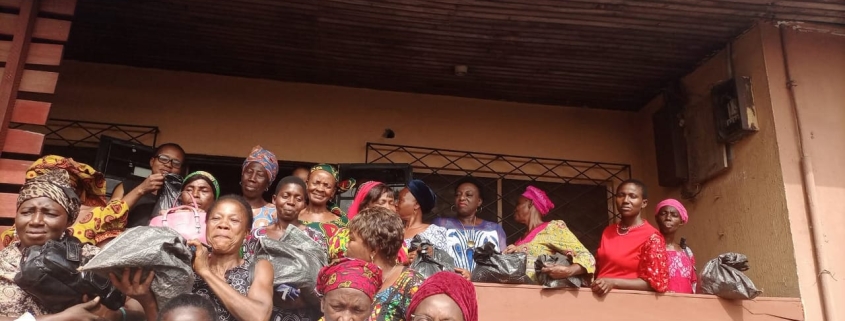
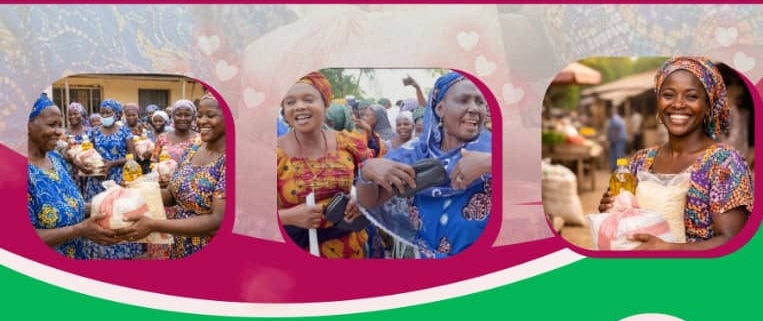
In celebration of International Women’s Day 2026, Nigercare Development Aid International is organizing a special outreach program aimed at supporting vulnerable women with basic care items and food supplies.

International Women’s Day is a global celebration of the achievements, strength, and resilience of women. As part of this year’s celebration, Nigercare Development Aid International is committed to bringing smiles back to women facing economic and social challenges in Nigeria.

Through this outreach initiative, the organization will distribute essential items such as food supplies and basic care materials to women who need support the most. The goal is to promote dignity, hope, and empowerment within underserved communities.

How You Can Support This Women’s Day Outreachu can be part of this life-changing initiative by supporting the program in any of the following ways:Donate any amount to support the outreach program

Provide basic items that can help women and families

Share this campaign to help reach more supporters.

Every contribution matters. Even the smallest support can help provide food and care items for women in need.

Donation Details

Bank: Zenith Bank PLC
Account Name: Nigercare Development Aid International
Account Number: 1015508293

For more enquiries or partnership opportunities, please call:
📞 +234 803 343 7542

Together, we can make International Women’s Day 2026 in Nigeria a moment of compassion, generosity, and impact.

FAQs

What is International Women’s Day?
International Women’s Day is a global event celebrated every year on March 8 to recognize the achievements of women and advocate for gender equality.

How can I support women in need during International Women’s Day in Nigeria?
You can support by donating money, providing care items, volunteering, or sharing campaigns organized by NGOs such as Nigercare Development Aid International.

Who is organizing this Women’s Day outreach program?
The outreach program is organized by Nigercare Development Aid International, a humanitarian organization focused on supporting vulnerable communities.

Introduction

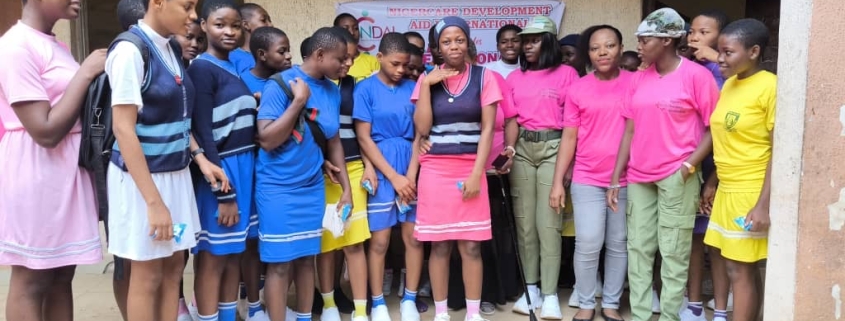
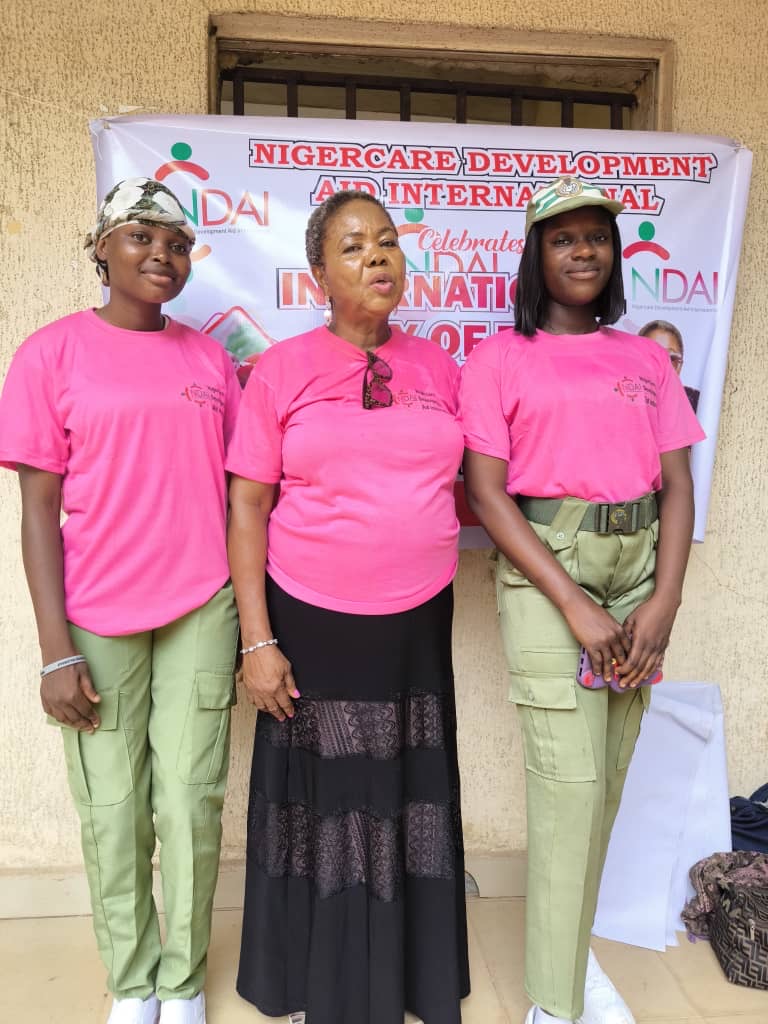
Education is evolving, and at the heart of this transformation is youth participation. As the world marks the International Day of Education with the theme “The Power of Youth in Co-Creating Education,” global attention is drawn to a critical truth: young people are no longer just beneficiaries of education systems; they are essential partners in shaping them.

At Nigercare Development Aid International, we recognize that sustainable education development is only possible when young people are actively involved in designing, implementing, and improving learning systems that affect their lives and communities.

Why Youth Involvement in Education Matters

Young people experience education firsthand. They understand its gaps, strengths, and realities better than anyone else. When youth are excluded from decision-making, education risks become outdated and disconnected from real-world needs.

Youth involvement in education helps to:

  • Make learning more relevant and inclusive

  • Encourage innovation and creativity in teaching methods

  • Improve access to quality education for marginalized groups

  • Build leadership, confidence, and civic responsibility among young people

By engaging youth as co-creators, education becomes a shared responsibility rather than a top-down process.

Youth as Co-Creators, Not Just Learners

Co-creating education means allowing young people to actively contribute to:

  • Curriculum design and feedback

  • Community learning initiatives

  • Digital education solutions

  • Advocacy for education equity and inclusion

Across communities, young people are already leading peer-to-peer learning, developing educational technology solutions, mentoring younger students, and advocating for policy change. These efforts show that youth are not “leaders of tomorrow”; they are leaders today.

The Role of NGOs in Empowering Youth-Led Education

Non-governmental organizations play a crucial role in bridging the gap between youth potential and educational opportunity. At Nigercare Development Aid International, our programs focus on:

  • Youth empowerment and leadership development

  • Access to inclusive and quality education

  • Community-based learning and skills development

  • Advocacy for education policies that center on youth voices

By creating safe spaces for dialogue, training, and collaboration, NGOs can help young people transform ideas into impactful education solutions.

Building Inclusive and Sustainable Education Systems

An inclusive education system listens to all voices, especially those often left out. Youth from underserved communities bring unique perspectives that help address inequality, gender gaps, and barriers to educational access.

When youth are involved:

  • Education becomes more adaptable to social and economic realities

  • Communities take ownership of learning outcomes

  • Long-term sustainability of education initiatives is strengthened

Co-creating education with youth is not just innovative.  it is essential for achieving global education goals.

A Call to Action: Investing in Youth Today

As we reflect on the International Day of Education, we call on governments, institutions, development partners, and communities to:

  • Meaningfully include youth in education decision-making

  • Invest in youth-led education initiatives

  • Support platforms that amplify young voices

  • Partner with organizations advancing youth-centered development

At Nigercare Development Aid International, we remain committed to working with young people to build an education system that is inclusive, equitable, and future-ready.

Because when youth co-create education, education transforms lives, communities, and nations.


Frequently Asked Questions (FAQs)

What does co-creating education mean?

Co-creating education means involving young people in shaping learning systems, policies, and solutions rather than limiting them to passive roles.

Why is youth participation important in education?

Youth participation ensures education is relevant, inclusive, innovative, and responsive to real-world challenges.

How does Nigercare Development Aid International support youth in education?

Niger care supports youth through empowerment programs, education access initiatives, community development, and advocacy for inclusive education.


Conclusion

The future of education depends on how well we recognize, include, and empower young people today. When youth are actively involved in co-creating education, learning becomes more inclusive, innovative, and responsive to the realities of society. Young voices bring fresh perspectives, lived experiences, and creative solutions that strengthen education systems and ensure no one is left behind.

As we celebrate the theme “The Power of Youth in Co-Creating Education,” it is clear that sustainable progress can only be achieved through meaningful youth engagement. By investing in youth leadership, amplifying their voices, and working collaboratively across communities, governments, and development organizations, we can build education systems that prepare learners not just to succeed, but to lead.

At Nigercare Development Aid International, our commitment remains firm: to partner with young people in shaping education that drives social change, promotes equity, and builds resilient communities. Together, with youth at the center, we can transform education into a powerful tool for lasting development.

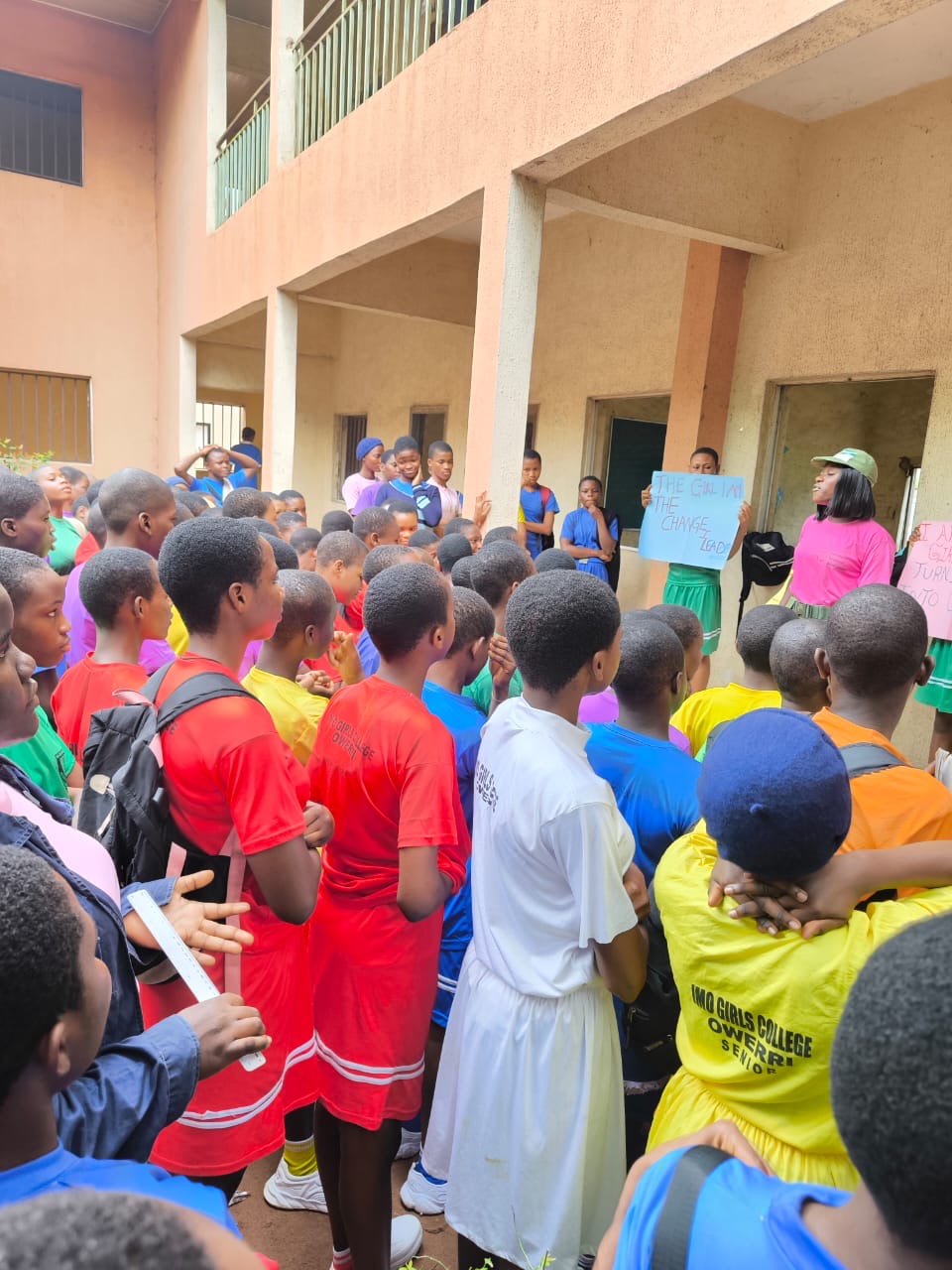
Theme: “The Girl I Am, The Change I Lead: Girls on the Frontlines of Crisis”

Today, the world unites to celebrate the strength, courage, and brilliance of every girl, her dreams, her resilience, and her undeniable power to lead change even in the face of crisis. 💪💖

This year’s theme, “The Girl I Am, The Change I Lead,” is a powerful reminder that girls are not just victims of challenges, they are architects of transformation. From conflict zones to classrooms, from rural communities to global stages, girls continue to stand tall, speak up, and shape a better future for all.

At Nigercare Development Aid International, we believe in empowering every girl with education, safety, and opportunity, because when a girl is supported, an entire community rises.
We see girls leading humanitarian efforts, advocating for climate justice, creating solutions, and redefining leadership in their own unique ways.

Let’s amplify their voices. Let’s stand beside them, not ahead of them.
Because the girl child is not the future — she is the now. 🌸

✨ To every girl: You are seen. You are valued. You are the change the world needs. ✨

InternationalDayOfTheGirl #TheGirlIAm #GirlsLeadChange #EmpowerHer #NGO #GirlsRights

The year’s theme emphasises the need to hear the girls out and invest in proven solutions, speeding up progress towards a future for every girl child to fulfil their potential.

The recent generation of girls is negatively affected by the global crises of poverty, setbacks on human rights and gender equality, and conflict. Too many girls are denied their rights, impeding them from reaching their potential.

Yet, recent research shows that girls are tough amid crises and hopeful for the future. Every day, they step forward to create a Vision of a world in which all girls are respected, protected and empowered. But they can’t take this bold step on their own. They need allies who would listen to them and respond to their needs.

The girls’ potential is limitless, and with the right support, resources and opportunities,  there will be an immediate impact on our Future.

This day serves as a reminder of the shortcomings faced by women and girls in managing their periods, especially in low-income countries where access to clean water, sanitation and hygienic products is limited

The stigma and taboos surrounding menstruation are never heard or seen in a period-friendly world.

 Some health issues associated with poor and improper menstrual hygiene include:

  1. Yeast infection
  2. Urinary tract infection
  3. Bacterial vaginitis
  4. Pelvic inflammatory disease

Tips for maintaining good menstrual hygiene include:

  1. Avoid menstrual products that are scented
  2. Wear cotton underwear that allows air to penetrate
  3. Wash your vulva with water every day and avoid touching the vagina in order not to disrupt the natural balance of bacteria in the vagina
  4. Wipe your vagina from front to back
  5. Change tampons every 4 -8 hours depending on your flow

Through the necessary education, advocacy and outreach, we can have a period-friendly world where women and girls will manage their periods with dignity and without shame or fear. Together we can create a world where women and girls can break barriers and reach their potential regardless of their menstrual cycle because their menstrual cycle is a source of strength and resilience, a reminder of the power and beauty of being a woman.

2024 Theme; Invest in women: accelerate progress.

This year’s theme emphasises the necessary and inseparable roles of decent work and gender equality.

8th March is observed globally as International Women’s Day to reflect on issues like gender inequality, violence against women, reproductive rights and other social, economic and medical oppression against women.

When we inspire others to understand and value women’s inclusion, we forge a better world and when women are encouraged to be included, there’s a sense of belonging, relevance and empowerment.  

How to inspire women’s inclusion;

Forging women’s economic empowerment

Promoting the creative and artistic talent of women and girls

Encouraging women and girls into leadership, business and decision-making

Addressing other areas supporting the advancement of women and girls

Let’s forge a more inclusive world for women and fight a good fight together.

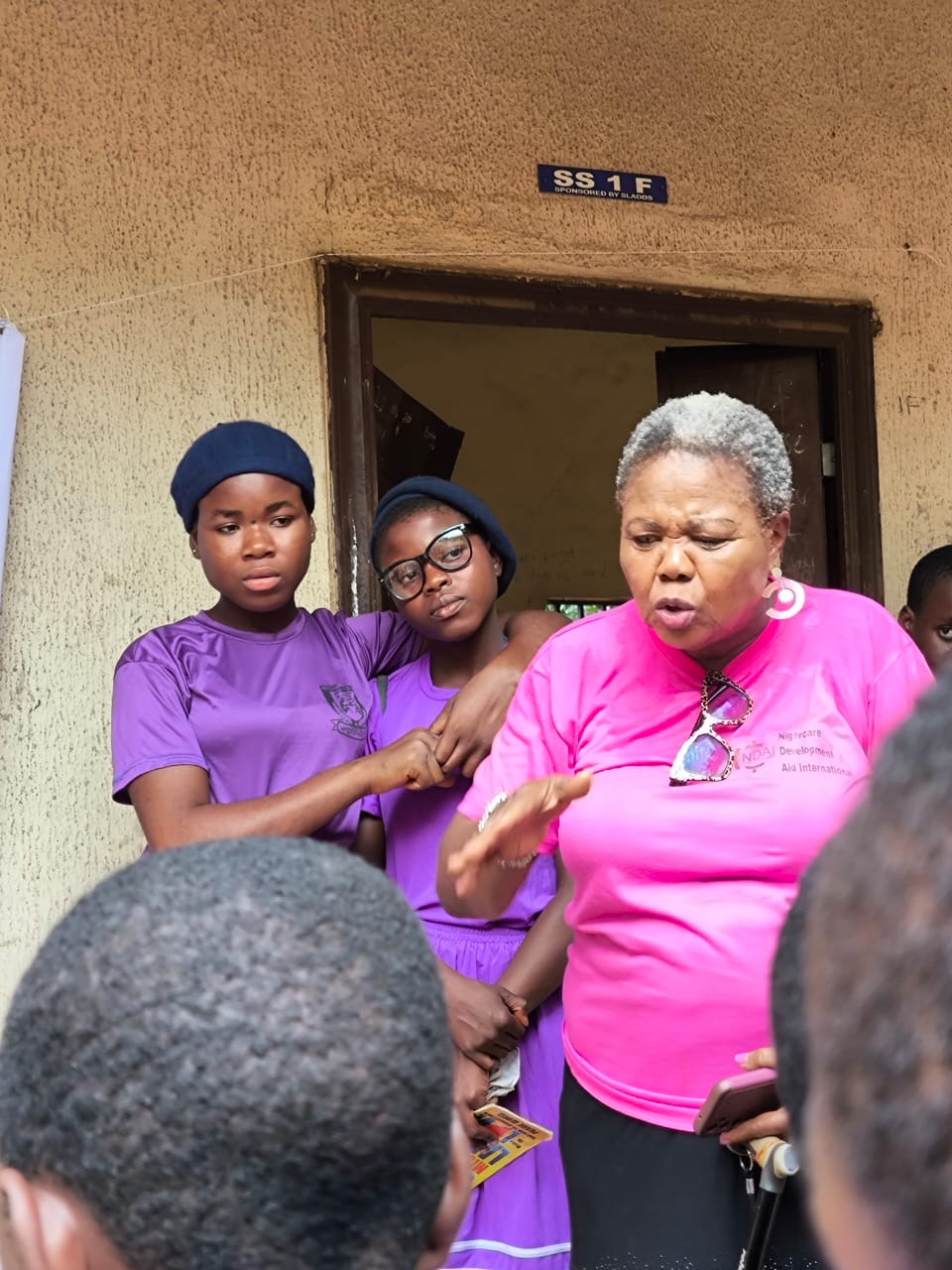
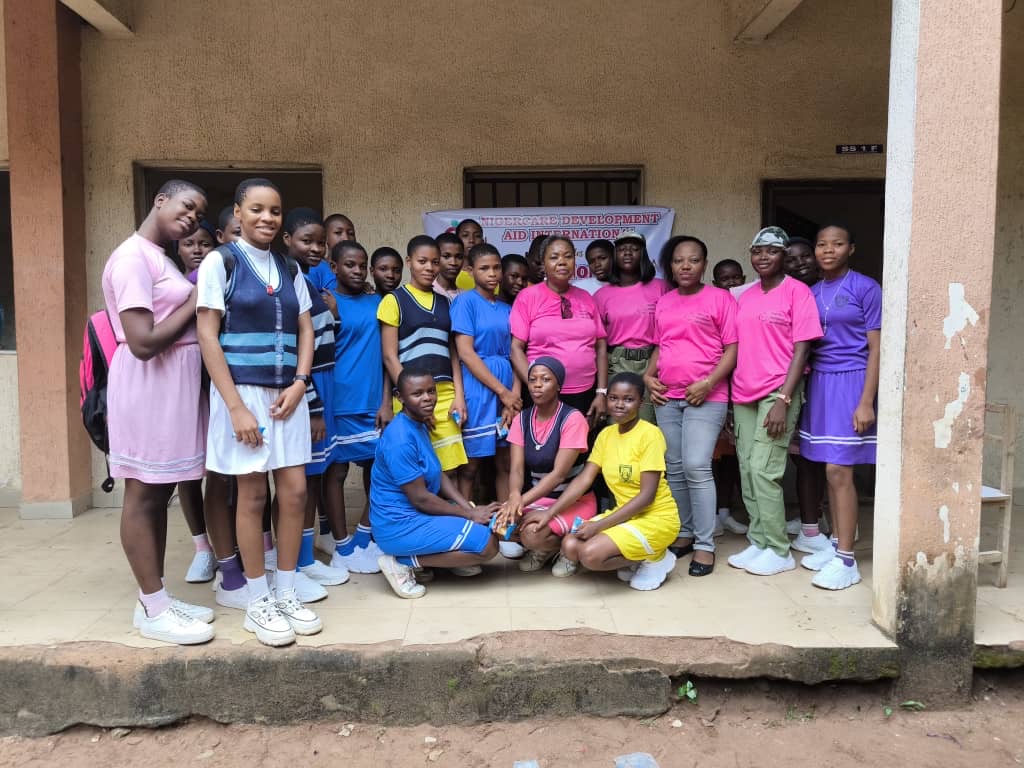
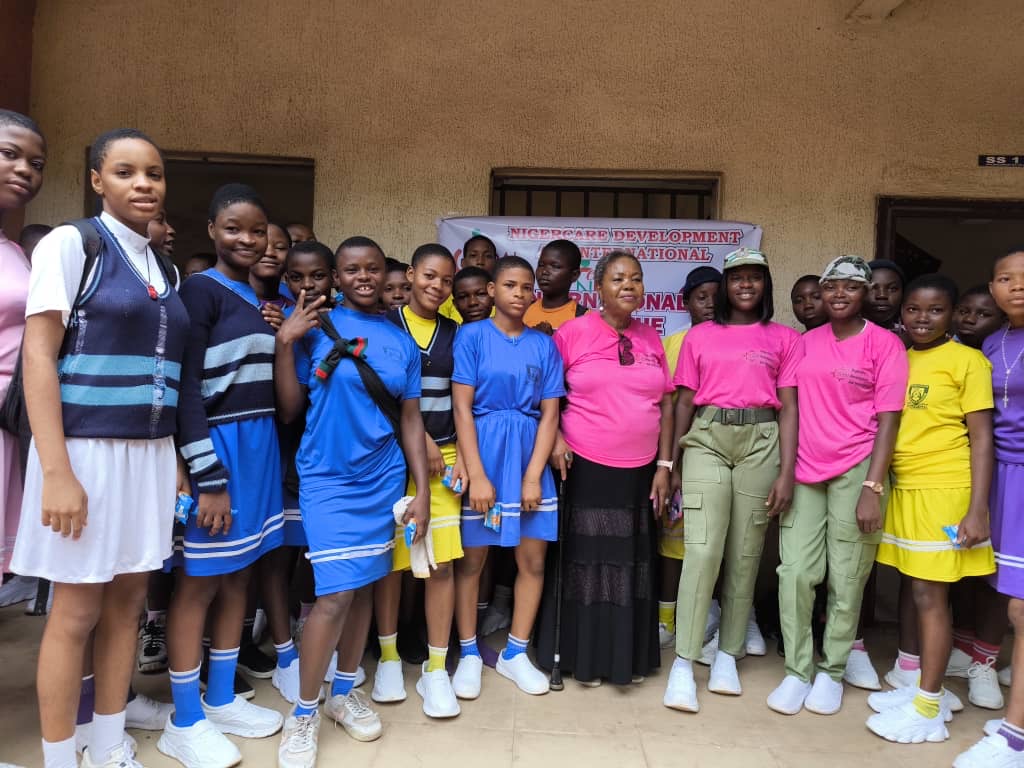
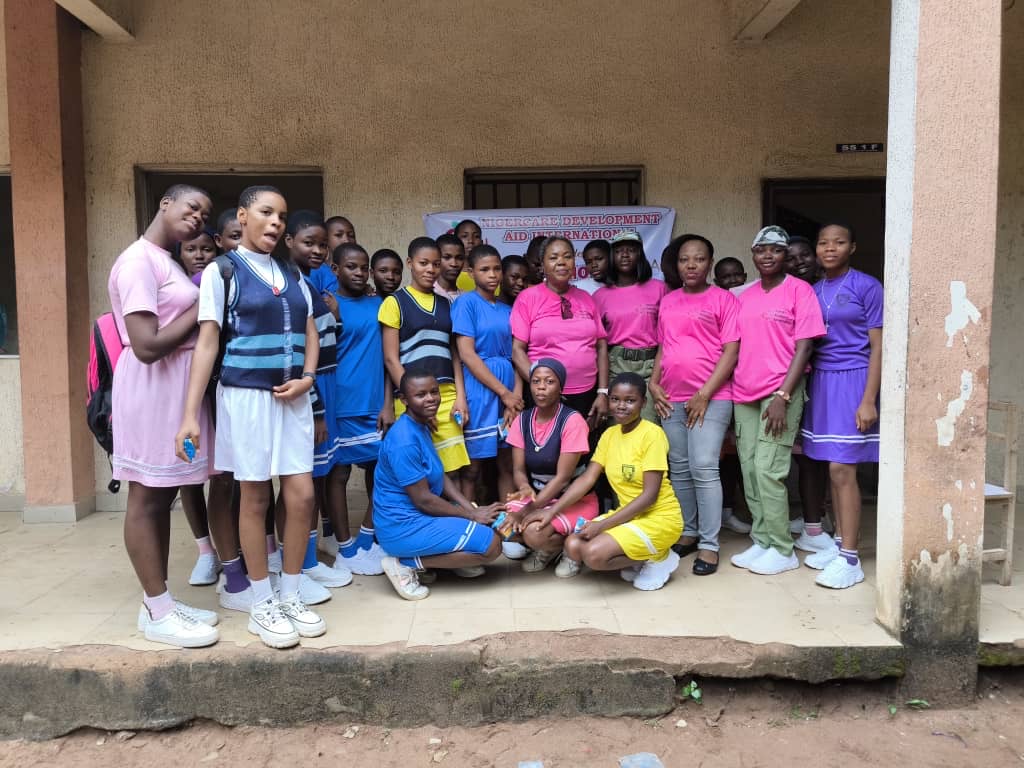
The world Menstrual Hygiene day was celebrated with the girls of Comprehensive Development Secondary School, Owerri.
The years theme is “Making Menstruation a Normal fact by 2030.
The girls were enlightened On What menstruation is,menstrual hygiene;hygiene before, during and after menstruation and the objectives of menstrual hygiene.


They were encouraged not to feel ashamed of menstruation because it is part of womanhood. They should not feel inferior to the male counterpart rather they should live their normal life and be proud of it. Menstruation shouldn’t be an impediment in achieving or accomplishing anything they want to or any barrier they want to break.
It was an amazin outreach as each girl was given sanitary pads.

World malaria day is designed to highlight awareness investment and commitment to the eradication of malaria. It was started by the World Health Organization (WHO) in 2007. There’s a yearly theme and the theme for 2023 is “TIME TO DELIVER ZERO MALARIA: INVENT, INNOVATE AND IMPLEMENT “. A call to implement the currently available tools and strategies to reach those who are in need at the western Pacific.

The overall aim of world malaria day is to spread awareness of the disease and to raise money for charities that are fighting to eradicate it.

It is also a day to celebrate the advancement in treating malaria and the decreasing rates of malaria worldwide. In 2000 there were 896,000 reported cases of malaria, and in 2019 there were 558,000.

WHAT IS MALARIA

It is a serious tropical disease that is spread by mosquitoes. The disease is both preventable and curable, but without quick medical attention and treatment, it can be fatal.

The disease causes severe flu-like symptoms such as high fever, vomiting, and muscle pain. If left untreated, this can quickly develop into life-threatening conditions such as organ failure.

The disease can be fatal for anyone, but most severely affects children and pregnant women.

Malaria is most commonly found in tropical and subtropical countries-this means that a lot of malaria cases are found in sub-Saharan Africa, Asia, and Latin America.

HOW IS MALARIA SPREAD?

Malaria is a disease carried through the blood. It is often transmitted by mosquito bites.

Mosquitoes become infected by biting a person who already has malaria. Then, when the mosquito bites other people, they also become infected with the disease. If someone is pregnant when they become infected, they can pass on the infection to their unborn baby.

It is also possible to be infected with malaria through blood transfusions or organ donations if the donor has malaria.

PREVENTION OF MALARIA DISEASE

It is easier to minimize the spread of malaria. With preventive vaccines, mosquito nets, and medication for those infected, there’s more support and awareness now than there was before.

Vaccines are the best way to prevent malaria, but vaccines are still very expensive and difficult to access for those in more remote communities. In this case, preventive measures such as mosquito nets, insect repellents, and protective clothing should be used.

HOW CAN YOU GET INVOLVED IN THE FIGHT AGAINST MALARIA

You could raise money for the charities that provide support and relief to the communities most affected by malaria.

Why not hold some fundraising events to raise some money?

Example of fundraising

  1. Have a bake sale
  2. Hold a read-a-thin
  3. You could organize a teacher fun run. Etc.